Japan export data show shift in scallop processing
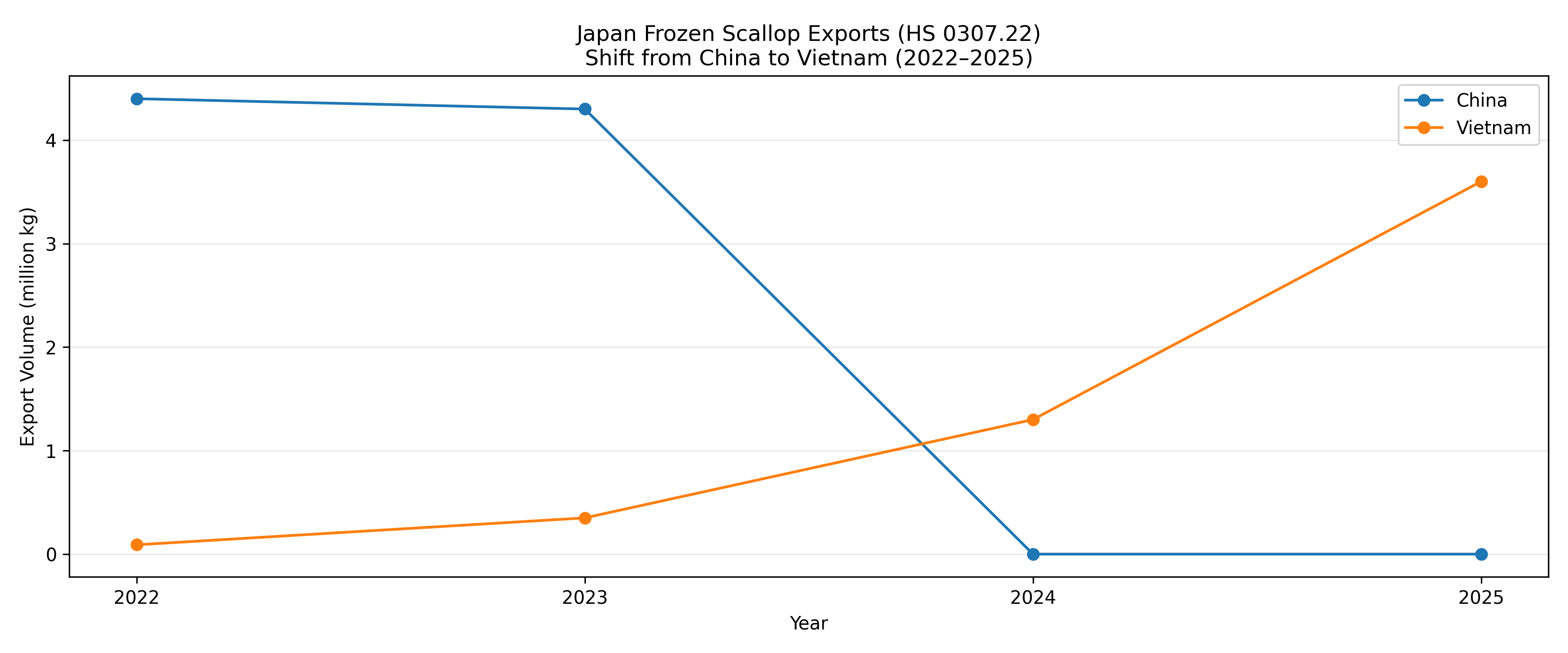
Japan’s 2025 trade data show frozen scallop exports rebounded in value despite China’s import ban, with Vietnam emerging as a major processing hub.
Chronological list of stories (newest first).
Japan’s 2025 trade data show frozen scallop exports rebounded in value despite China’s import ban, with Vietnam emerging as a major processing hub.
Komaki City, Aichi Prefecture-based Fujidenolo will exhibit its in-development “Comilu for K-Value” freshness sensor at the 23rd Seafood Show Osaka, extending the company’s microchip-based work on histamine and freshness measurement for seafood quality control.
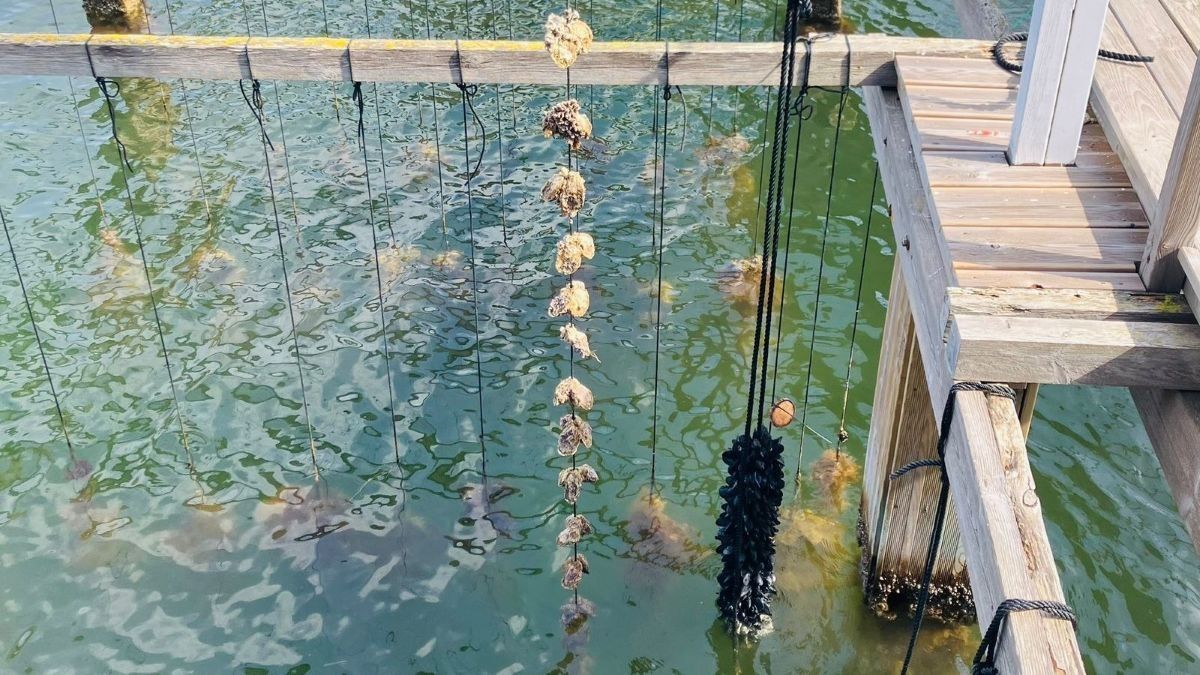
Hiroshima Prefecture has launched an expert panel to investigate widespread oyster die-offs, amid concerns over future harvests and the resilience of Japan’s largest oyster-producing region.
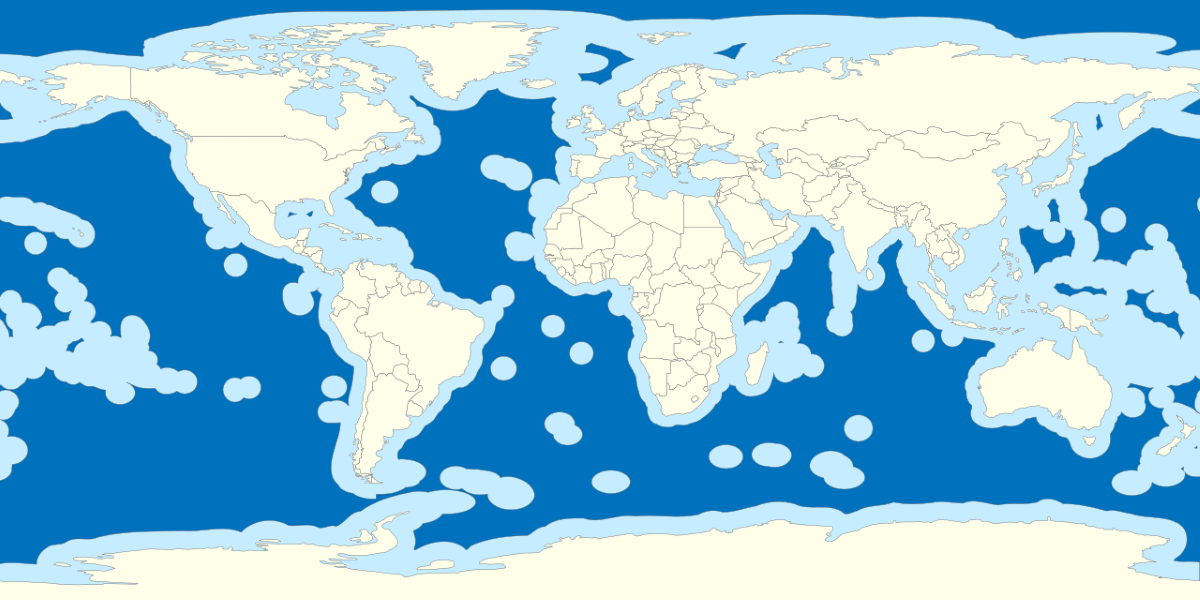
The High Seas Treaty (BBNJ Agreement) entered into force on January 17, 2026, creating the first legally binding framework to conserve and sustainably use marine biodiversity in areas beyond national jurisdiction.
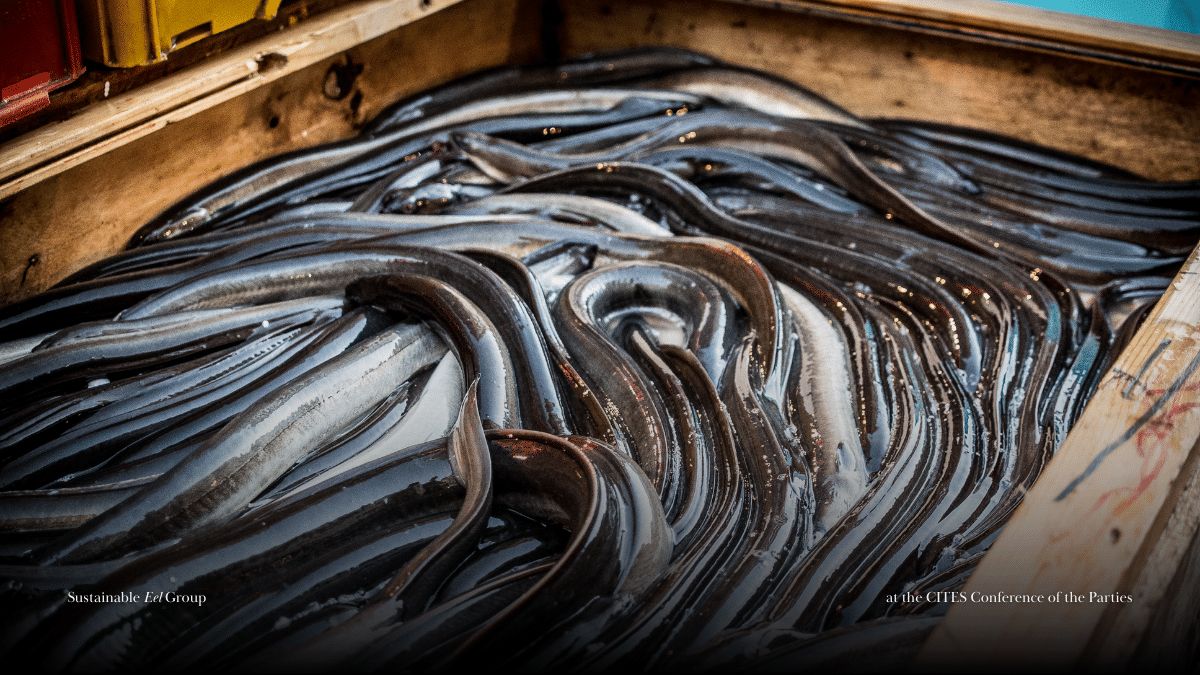
CITES withdraws planned documentation requirements for American eel trade after the Dominican Republic pulls its Appendix III request.
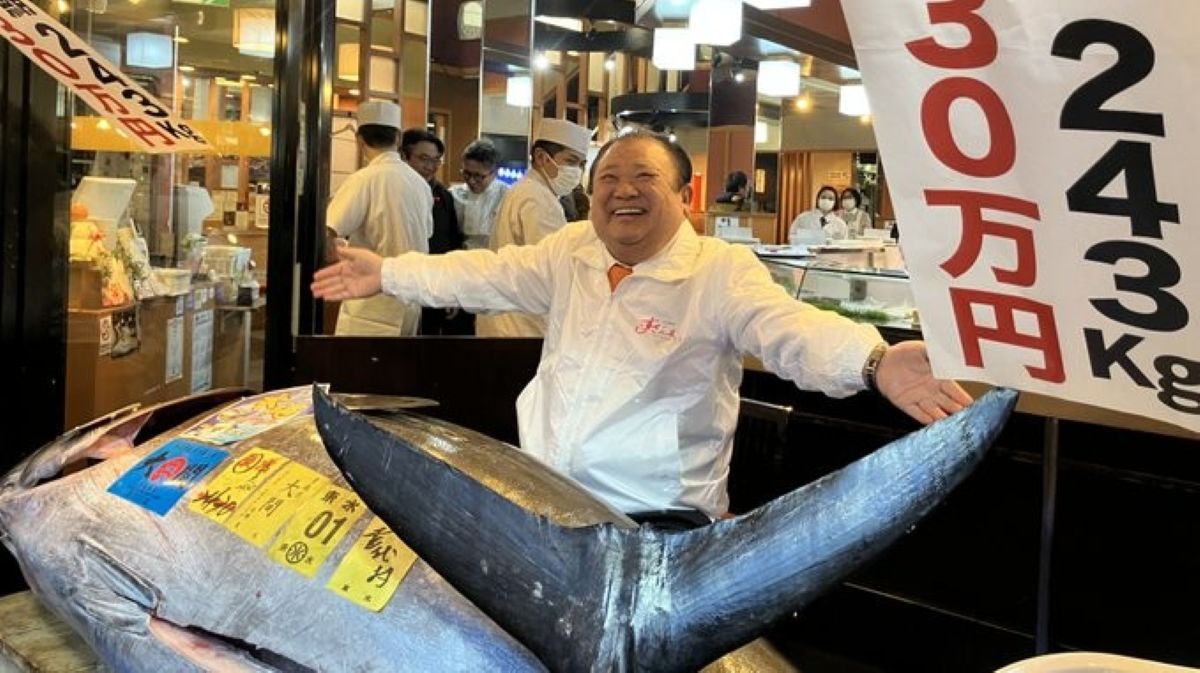
At Tokyo’s Toyosu Market a 243 kilogram bluefin sold for JPY 510 million (USD 3.2 million, EUR 2.9 million).
NAPA is urging Japanese seafood companies to support a binding quota-sharing deal to end overfishing of North East Atlantic mackerel.
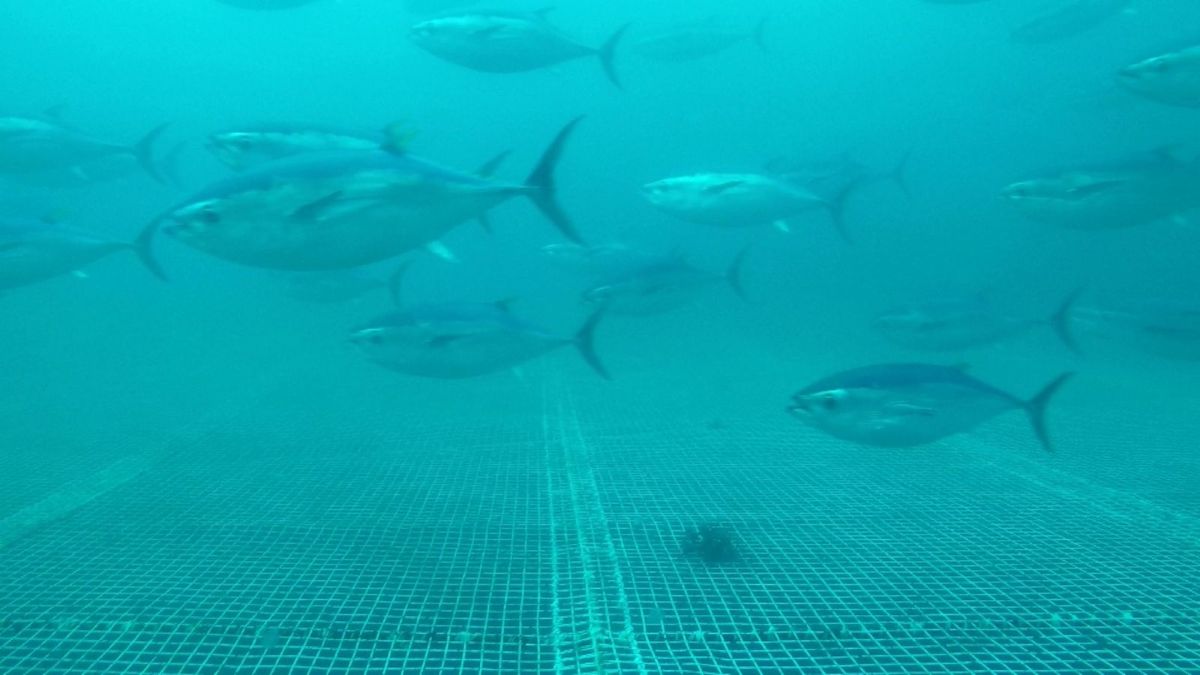
A new report by the FAO and its General Fisheries Commission for the Mediterranean (GFCM) promotes restorative aquaculture.
Japan’s 2025 Pacific saury season opened with strong landings and fattier fish than last year at Nemuro’s Hanasaki Port.
Kinoshita’s semi-rigid knotless netting resists sharks, seals, and biofouling—while remaining lighter than copper mesh...
UMITO Partners highlights how coastal communities are tackling seaweed bed loss, warming waters, and resource decline through practical innovations. Free entry, Aug 23–31, Shibuya Hikarie.